La Araucanía Region ·
🌿 Flora, fauna & fungi
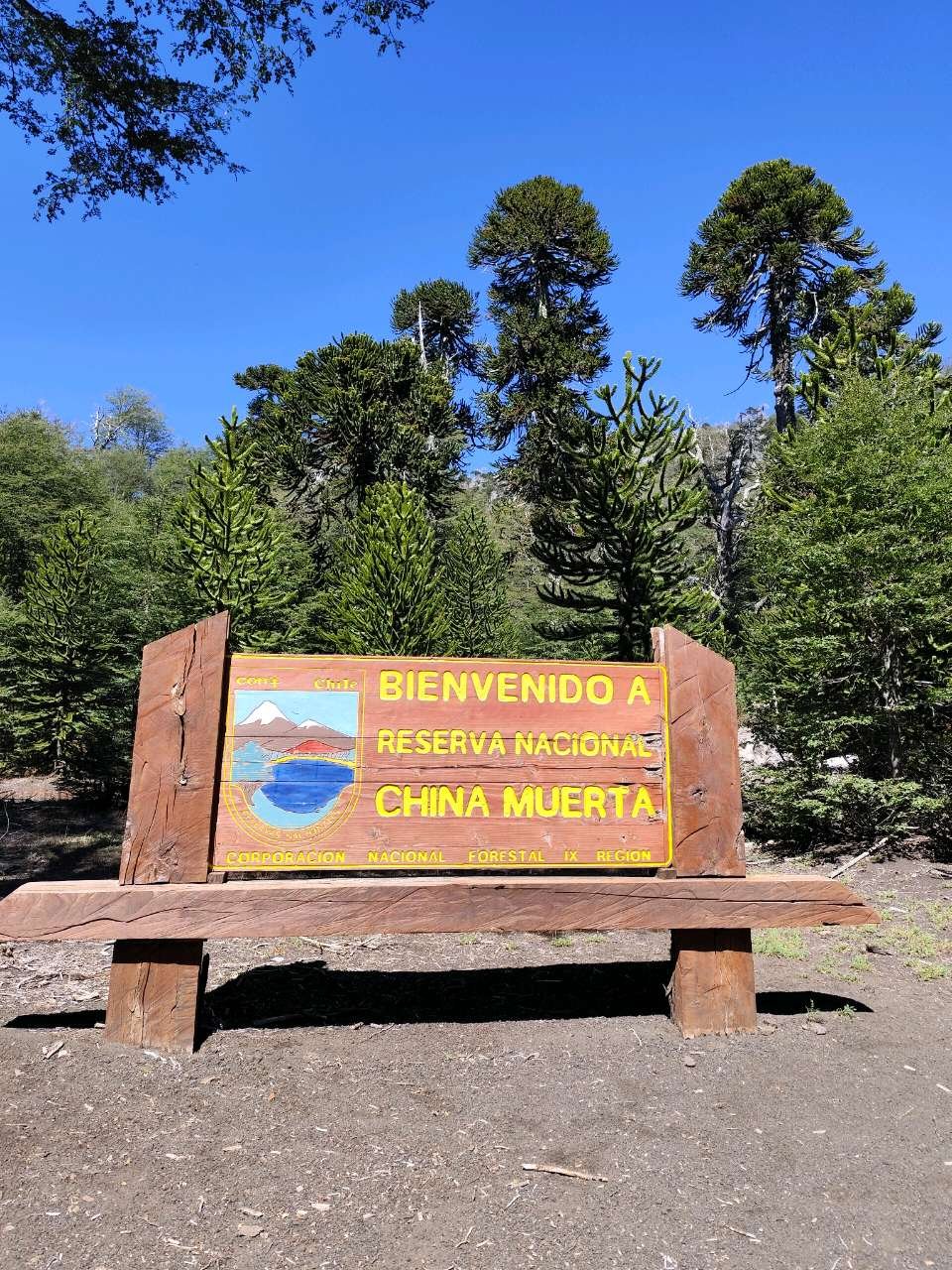
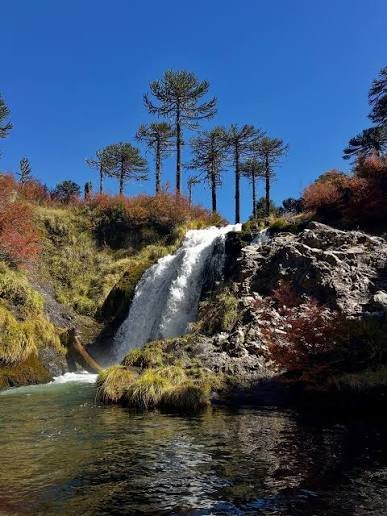
One of the great natural treasures of China Muerta National Reserve is the presence of the araucaria (Araucaria araucana), an emblematic species of the Araucanía Region of great ecological and cultural importance. Its forests are part of one of the most iconic landscapes in the region's mountain range. The araucarias share the forest with various native species, including ñirre, coigüe, lenga and roble, forming a mosaic of vegetation adapted to the climate and geography of the mountain area. The forest's composition changes throughout the year, offering different colors and landscapes with the seasons. Along the trails you can see centuries-old trees, understory vegetation, Andean plant life, and areas currently undergoing regeneration and restoration after wildfires. The diversity of habitats in China Muerta provides shelter and food for numerous native wildlife species. Among them is the puma, one of the great predators of Chile's mountain ecosystems, whose presence highlights the importance of these spaces for wildlife conservation. Other species found in the reserve include the chilean pigeon (torcaza), a bird characteristic of southern Chile's forests; the short-tailed snake, a native reptile found in these environments; and the four-eyed frog, an amphibian associated with humid areas and waterways. The presence of these species makes the reserve a space of great value for biodiversity conservation, where every component — from ancient araucarias to small amphibians — plays a role in the ecosystem's balance.
💡 Route tips
We recommend hiking this trail with company, especially if you're not familiar with the route or the terrain conditions. - Footwear: Wear proper trekking shoes, ideally with good grip and a non-slip sole. - Sun protection: Bring a hat, sunglasses, and sunscreen. Sun exposure can be intense even on cloudy days. - Hydration and food: Bring at least 2 liters of water per person. We recommend packing ready-to-eat, easy-to-carry food that provides energy during the activity. - Clothing: Wear appropriate mountain clothing plus an extra warm layer, since temperatures can change along the route. - Safety gear: We recommend trekking poles, a fully charged phone and, if possible, a power bank. A headlamp or flashlight, a small first-aid kit, and basic personal items are also important. - Fitness: Stay hydrated, take breaks when needed, and always move at your own pace, respecting your physical limits. - Planning: Before starting the hike, let someone you trust know your itinerary, and check the weather forecast and trail conditions. - Environmental care: Respect the flora, fauna and trail signage. Don't leave any trash behind, and be sure to carry out everything you bring in.
UPCOMING DATES