La Araucanía Region · 1,223 m a.s.l.
🥾 Trekking info
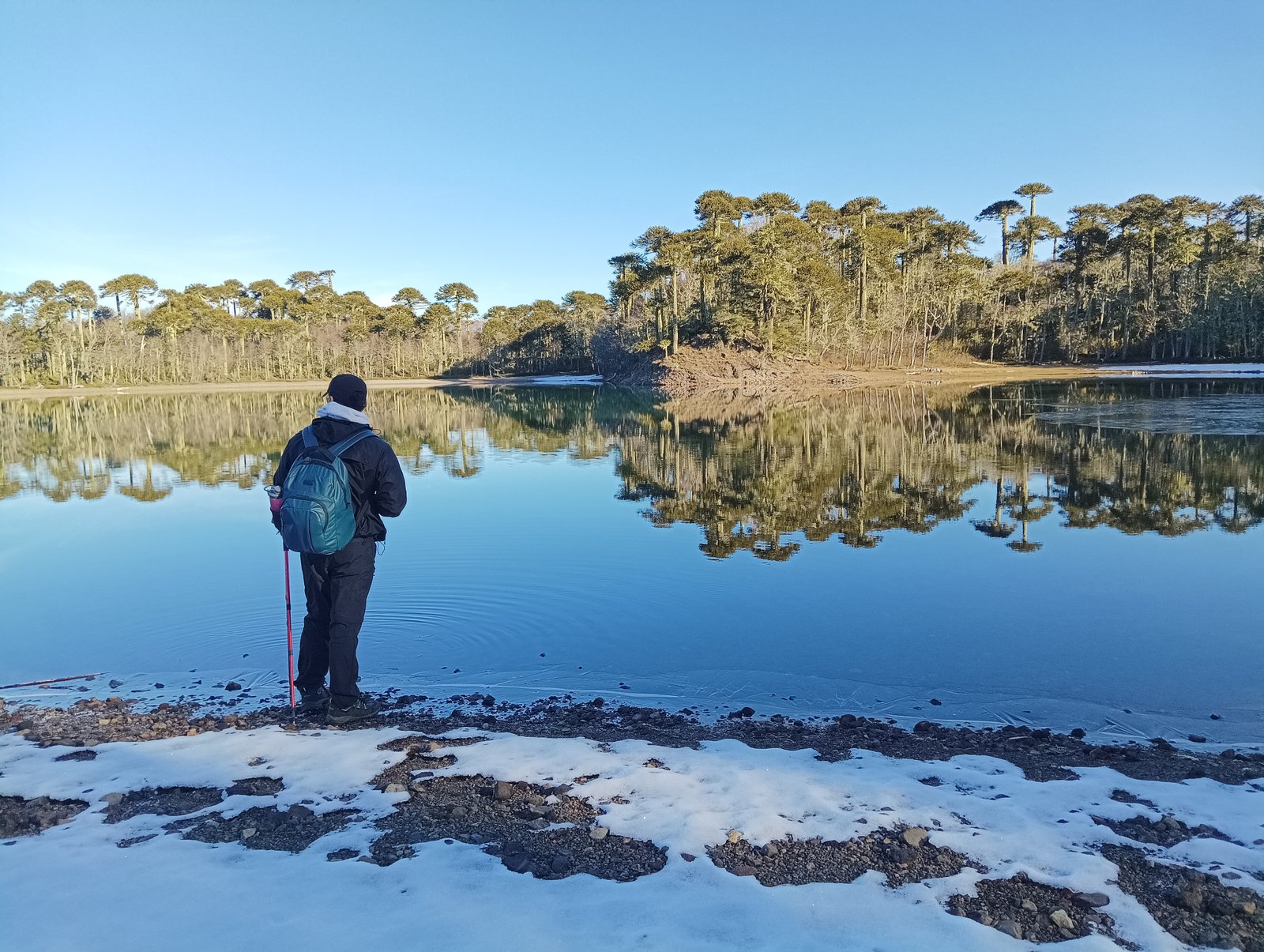
Distance: 12 km (round trip) Technical difficulty: Moderate. Maximum altitude: 1,223 m a.s.l. Route type: Out-and-back, same trail. Elevation gain: +443 -50
🌿 Flora, fauna & fungi
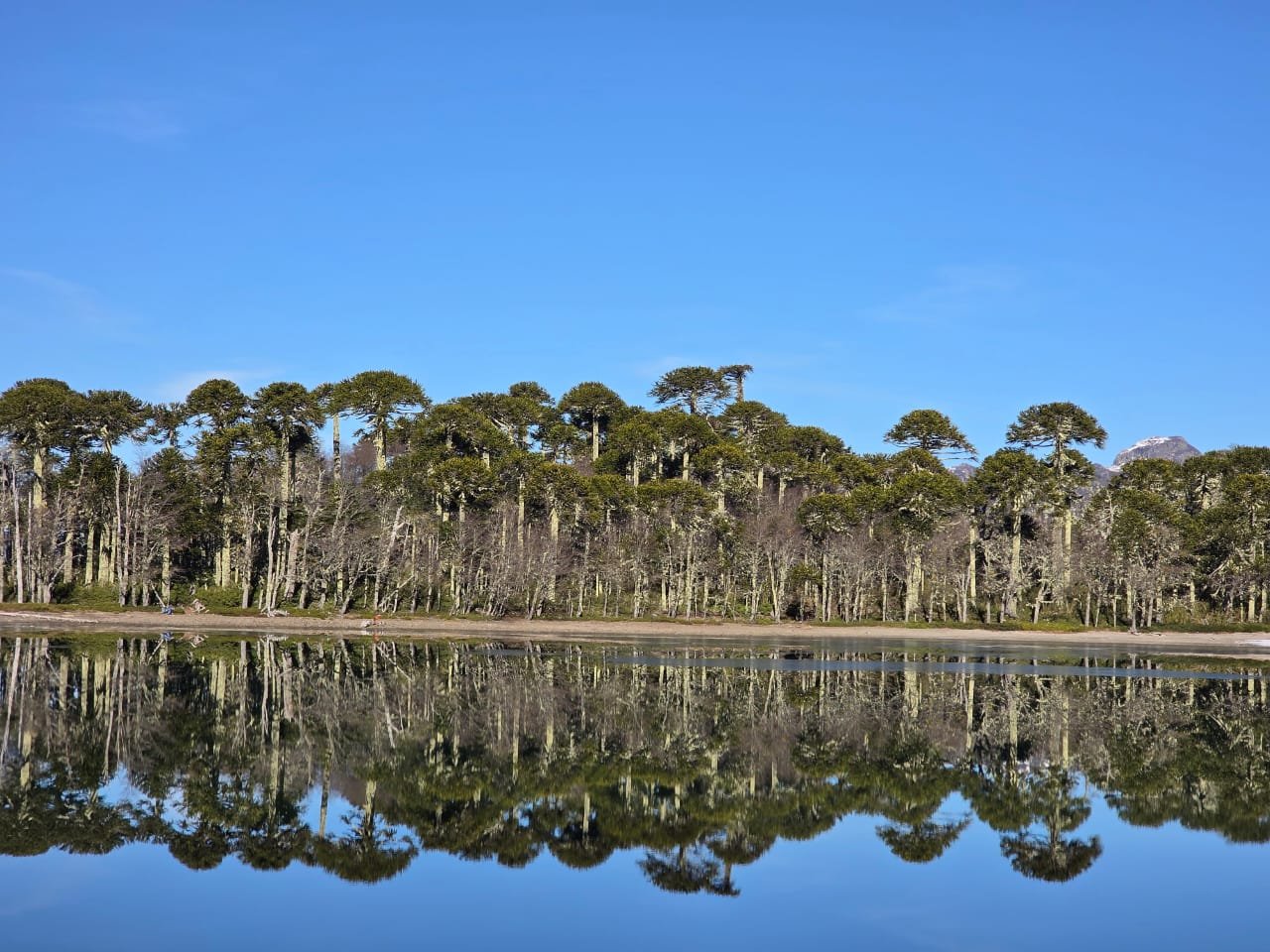
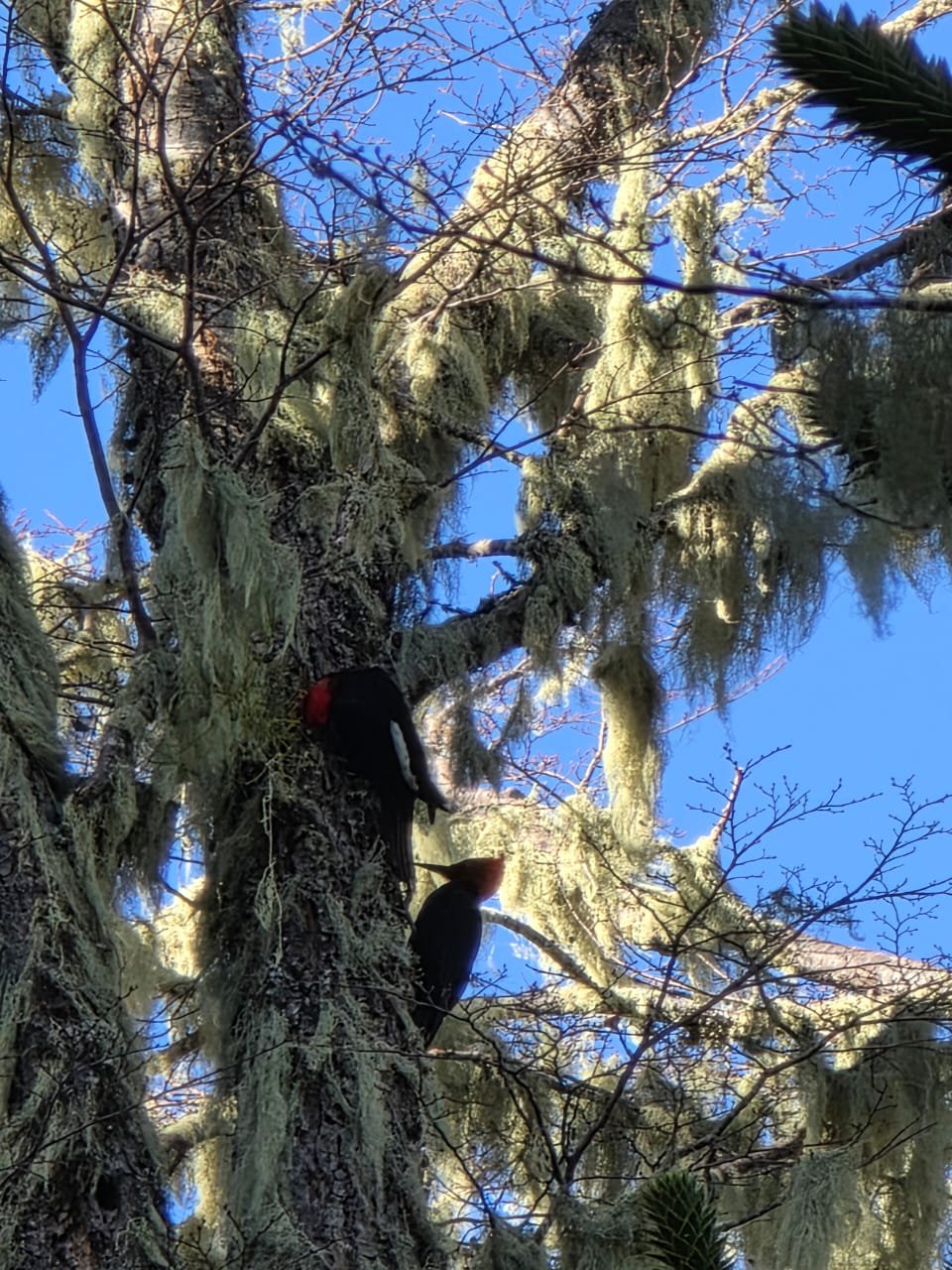
The plant landscape is dominated by ancient trees and a dense understory adapted to altitude and winter snow, such as the araucaria (Araucaria araucana) found around the lagoon, coigue (Nothofagus dombeyi), raulí (Nothofagus alpina), lenga (Nothofagus pumilio), and short-leaved mañío (Podocarpus nubigenus). The dense woodlands and the waters of Cochor shelter elusive native species protected under Chilean law, such as the puma (Puma concolor), chilla fox (Lycalopex griseus) and culpeo fox (Lycalopex culpaeus), monito del monte (Dromiciops gliroides), and Magellanic woodpecker (Campephilus magellanicus). The soil's moisture, combined with the abundant decomposed organic matter from native trees, favors a high diversity of fungi, such as digüeñe (Cyttaria espinosae): an edible parasitic fungus strictly associated with Nothofagus trees (coigües and raulíes); cortinarius (Cortinarius magellanicus): a fungus with striking purple tones that forms essential mycorrhizae with native forest roots; and oreja de palo (Ganoderma spp. / Fomes spp.): hard-textured polypore fungi that grow on fallen logs, vital to the nutrient cycle.
💡 Route tips
We recommend hiking this trail with company, especially if you're not familiar with the route or the terrain conditions. - Footwear: Wear proper trekking shoes, ideally with good grip and a non-slip sole. - Sun protection: Bring a hat, sunglasses, and sunscreen. Sun exposure can be intense even on cloudy days. - Hydration and food: Bring at least 2 liters of water per person. We recommend packing ready-to-eat, easy-to-carry food that provides energy during the activity. - Clothing: Wear appropriate mountain clothing plus an extra warm layer, since temperatures can change along the route. - Safety gear: We recommend trekking poles, a fully charged phone and, if possible, a power bank. A headlamp or flashlight, a small first-aid kit, and basic personal items are also important. - Fitness: Keep in mind that the hike to the lookout/lagoon involves a significant level of physical demand. Stay hydrated, take breaks when needed, and always move at your own pace, respecting your physical limits. - Planning: Before starting the hike, let someone you trust know your itinerary, and check the weather forecast and trail conditions. - Environmental care: Respect the flora, fauna and trail signage. Don't leave any trash behind, and be sure to carry out everything you bring in.
📍 Destination area
UPCOMING DATES