Biobío Region · 1,500–1,524 m a.s.l.
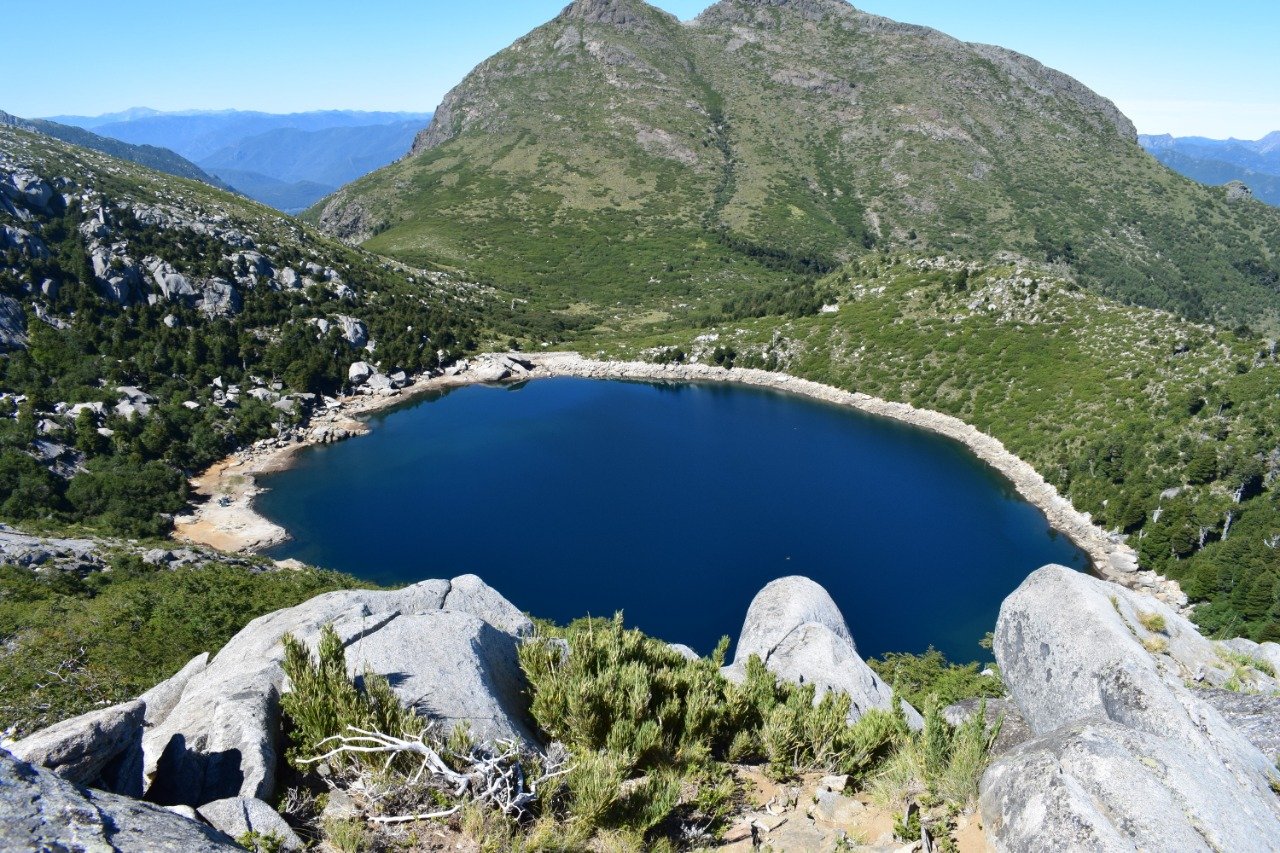
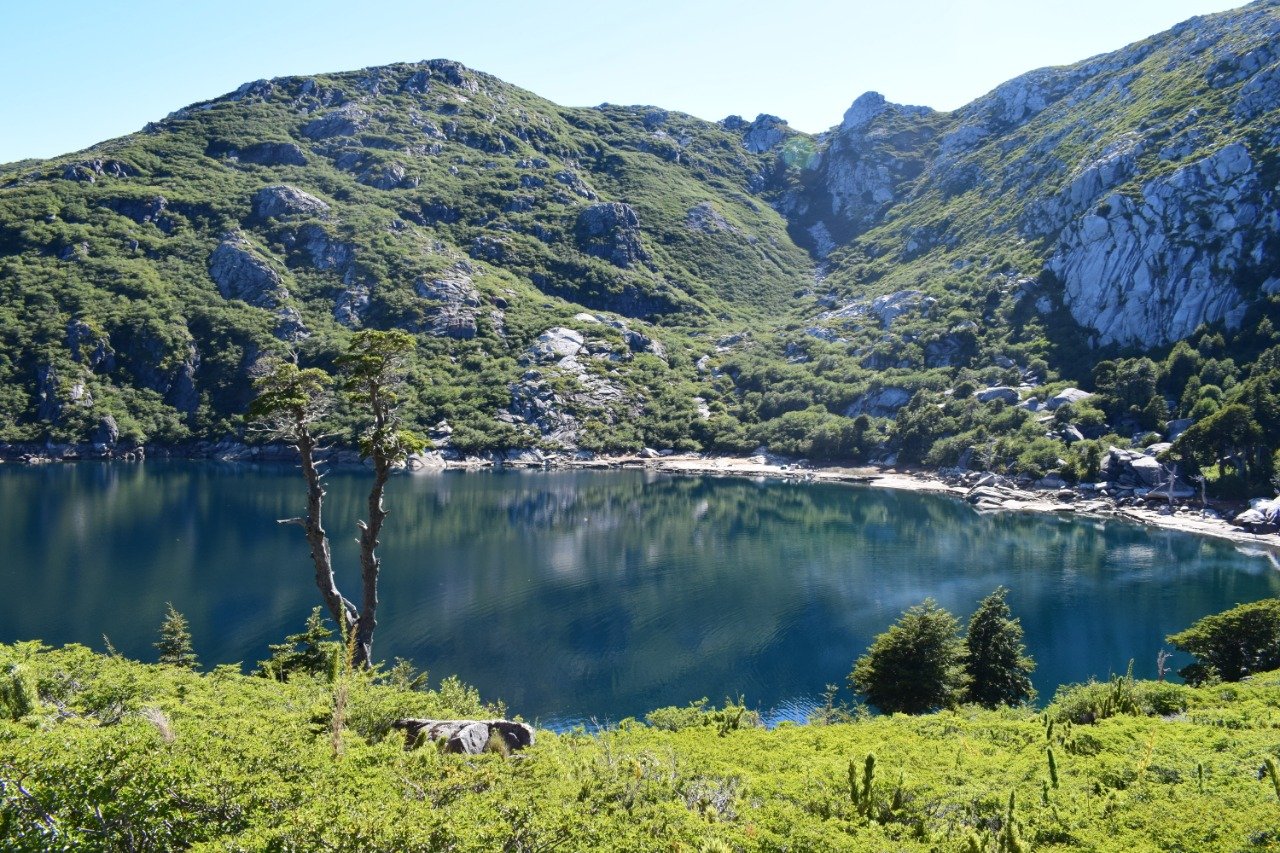
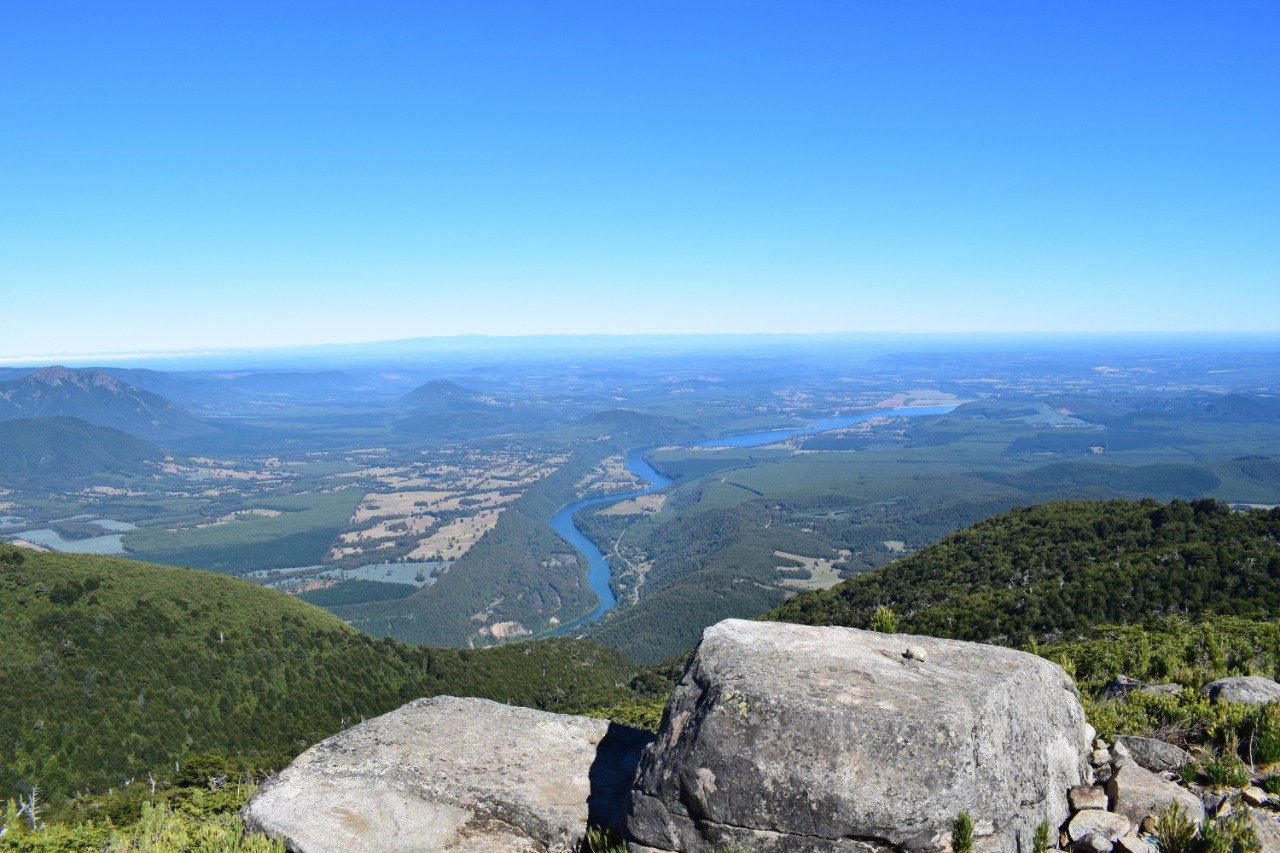
🥾 Trekking info
Distance: 10 km (round trip) Technical difficulty: High. Maximum altitude: 1,500 to 1,524 m a.s.l. Route type: Out-and-back, same trail. Elevation gain: +1556, -212 (±1768)
🌿 Flora, fauna & fungi
Flora • Native trees: dominated by pure and mixed forests of coihue, raulí, roble (hualle/pellín), Cordilleran cypress, araucaria (in the higher, rockier areas), canelo, avellano, peumo, boldo, lingue and quillay. • Shrubs and vines: quila is abundant (sometimes forming dense thickets), along with chilco (wild fuchsia), notro (Chilean firebush) and Chile's national flower, the copihue. Fauna • Birds: the most visible group. The forest is home to the striking Magellanic woodpecker and noisy flocks of choroy parakeets. In open areas and valleys you can spot bandurrias, loicas, zorzales, queltehues (southern lapwings), tordos and chercanes. • Birds of prey and waterfowl: the Andean condor nests on the high peaks of Tricauco. Near rivers and lagoons you may spot the peuco, tiuque, torrent duck, Andean goose and belted kingfisher. • Mammals: the most commonly sighted are the chilla fox and culpeo fox. In remote, hard-to-reach areas lives the puma, the area's top predator. Fungi Due to the high humidity retained by the canopy and the dense decomposing organic matter on the forest floor, fungal diversity in the Santa Bárbara foothills is remarkably rich. • Tree fungi: dihueñes (Cyttaria espinosae) stand out, edible fungi that grow as strict parasites on roble (hualle) branches during spring. • Ground fungi: wood-degrading and mycorrhizal species such as changle (Ramaria flava), easily recognized by its coral-like yellow shape, and fungi of the genus Cortinarius or Mycena, vital for recycling forest nutrients. • Fungi on fallen logs: bracket fungi (Trametes) and various decomposer fungi that help renew the soil on Cerro La Pepa.
💡 Route tips
We recommend hiking this trail with company, especially if you're not familiar with the route or the terrain conditions. - Footwear: Wear proper trekking shoes, ideally with good grip and a non-slip sole. - Sun protection: Bring a hat, sunglasses, and sunscreen. Sun exposure can be intense even on cloudy days. - Hydration and food: Bring at least 2 liters of water per person. We recommend packing ready-to-eat, easy-to-carry food that provides energy during the activity. - Clothing: Wear appropriate mountain clothing plus an extra warm layer, since temperatures can change along the route. - Safety gear: We recommend trekking poles, a fully charged phone and, if possible, a power bank. A headlamp or flashlight, a small first-aid kit, and basic personal items are also important. - Fitness: Keep in mind that the hike to the lookout/lagoon involves a significant level of physical demand. Stay hydrated, take breaks when needed, and always move at your own pace, respecting your physical limits. - Planning: Before starting the hike, let someone you trust know your itinerary, and check the weather forecast and trail conditions. - Environmental care: Respect the flora, fauna and trail signage. Don't leave any trash behind, and be sure to carry out everything you bring in.
🥾 Route map
UPCOMING DATES
No trips are scheduled to this destination yet. Get in touch if you're interested.